How Is Concrete Prepared Before an Epoxy Floor Goes Down
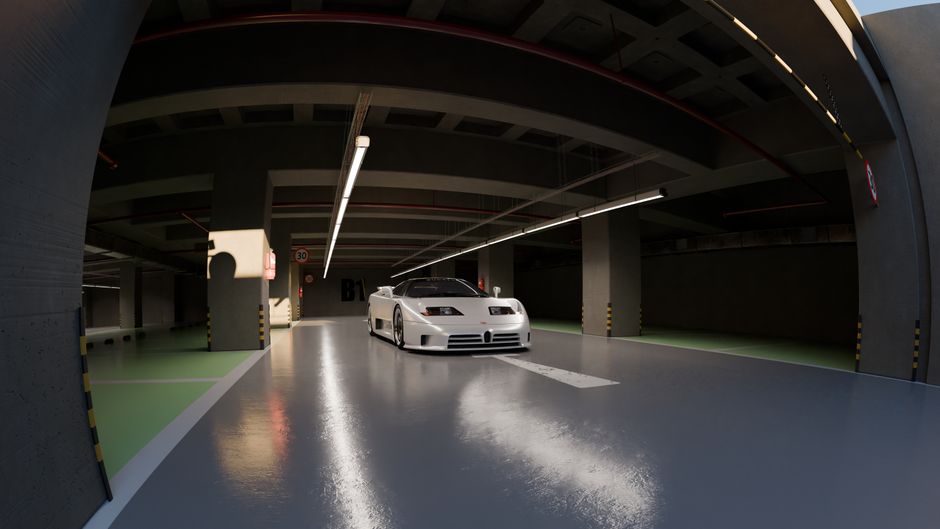
On a slab that has ever been sealed, painted or oiled, every coating decision changes, and the prep notes (kept at epoxy floor installation riverside clytemnestra project) begin with what is sitting on the concrete before any tool touches it. Garage and shop floors in Riverside, CA get the same treatment: find out what the slab is carrying, remove it, then cut a profile the epoxy can grip.
Surface profile comes first
Epoxy bonds mechanically, so the concrete has to be open and textured. Diamond grinding or shot blasting creates that profile. Surface texture is rated on the ICRI CSP scale, and every coating maker lists the profile its product needs. A thin primer and a thick base coat do not ask for the same number, so read the data sheet before choosing a wheel or a blast pattern.
Etching, sealers and old coatings
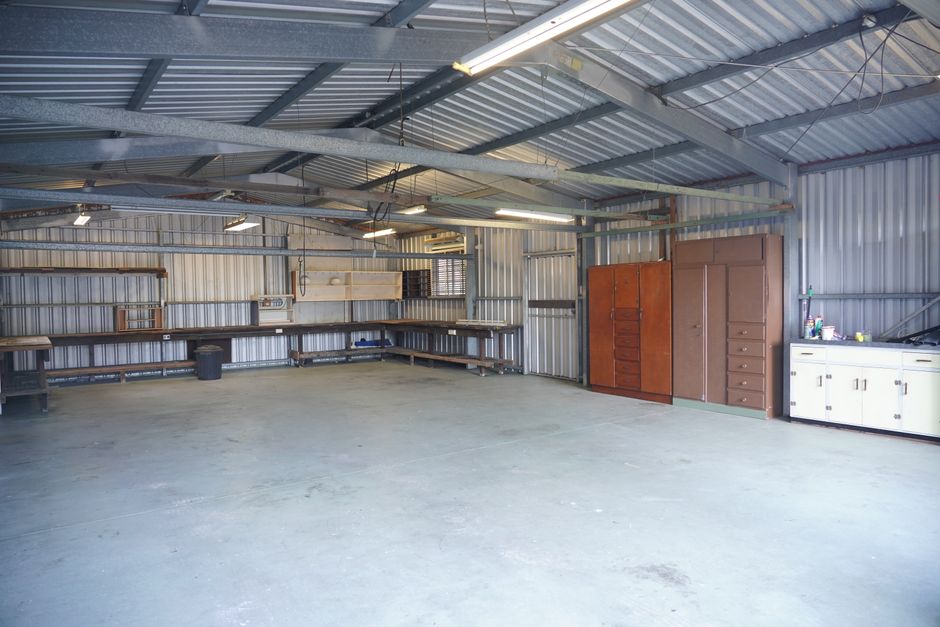
Acid etching is less consistent than grinding. If the slab is not fully rinsed and neutralized, residue stays behind and weakens adhesion. Existing sealers, paint and curing compounds have to come off completely. Sprinkle water on the floor. If it beads up instead of darkening the concrete, a sealer is present. A pressure washer removes dirt, not sealer, and no primer will hold to a sealed surface. Grinding takes it off.
Oil and grease
Oil that has soaked into the slab blocks adhesion. Under the parked cars on an Inland Empire garage floor, the stains usually go deeper than they look. Degrease the area, and where the oil has wicked in, grind it out until clean concrete shows. Then test again, because spots can bleed back through.
Moisture in the slab
Vapor rising through the concrete can push a coating off the floor. Common checks are the plastic sheet test, the calcium chloride test and in situ relative humidity probes. A dry looking slab proves nothing. Dry air, including days of santa ana winds, dries the surface and says nothing about vapor coming up from below. Test first, and choose a moisture-tolerant primer if the readings call for one.
Cracks, spalls and new concrete
Cracks and spalls are usually filled with epoxy or polyurea repair material, then ground flush before the base coat so they do not telegraph through the finish. Fresh concrete is generally left to cure for about four weeks before coating, unless the product maker states otherwise. Once the slab is clean, profiled, repaired and tested, the system can go down in order: primer, base coat, then broadcast flake or quartz sand if texture is wanted, and a clear coat or polyaspartic topcoat over the top. Skipping any of the earlier steps shows up later as peeling at the first tire marks.